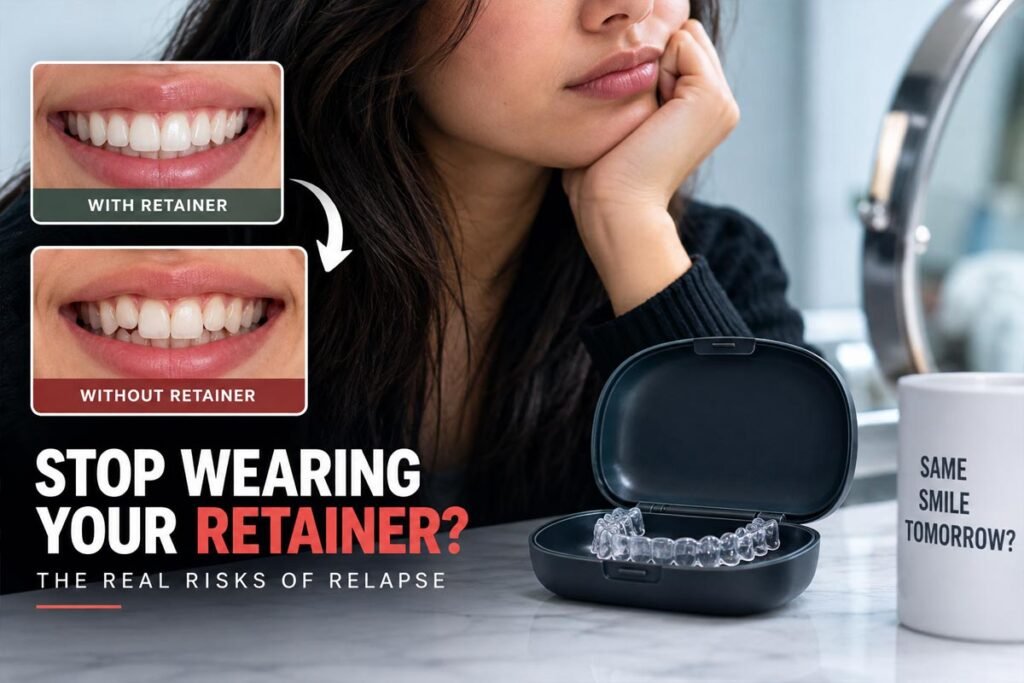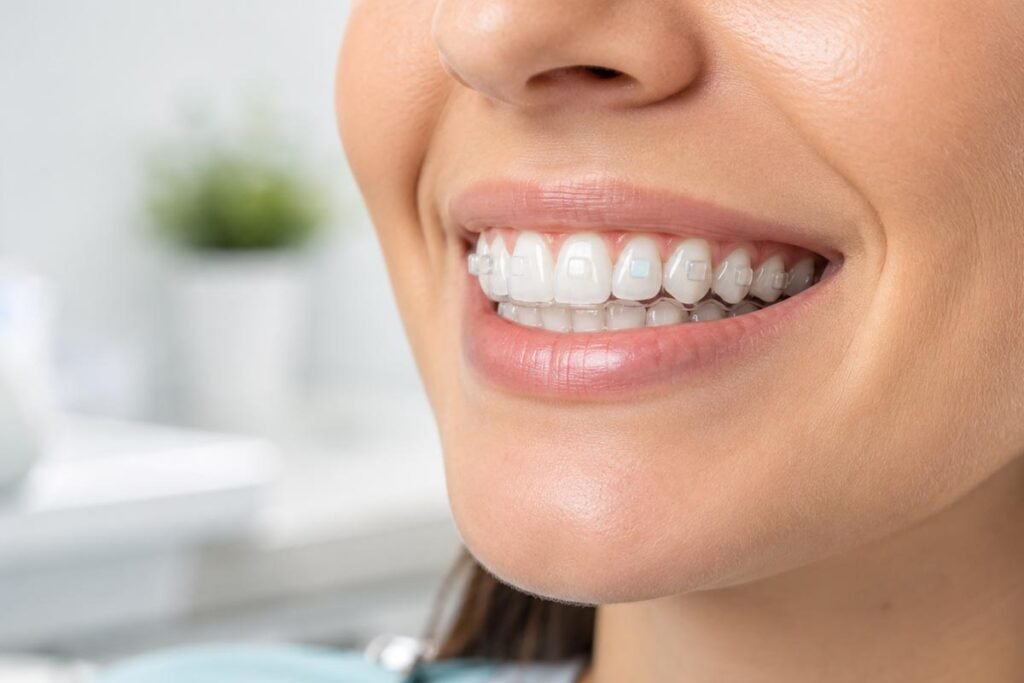
If you just started your clear aligner journey, you might notice tiny raised bumps on your teeth. Do not worry. These tiny additions are completely normal. At Art of Smile Philadelphia, we use specialized tools to give our patients precise, fast, and beautiful results.
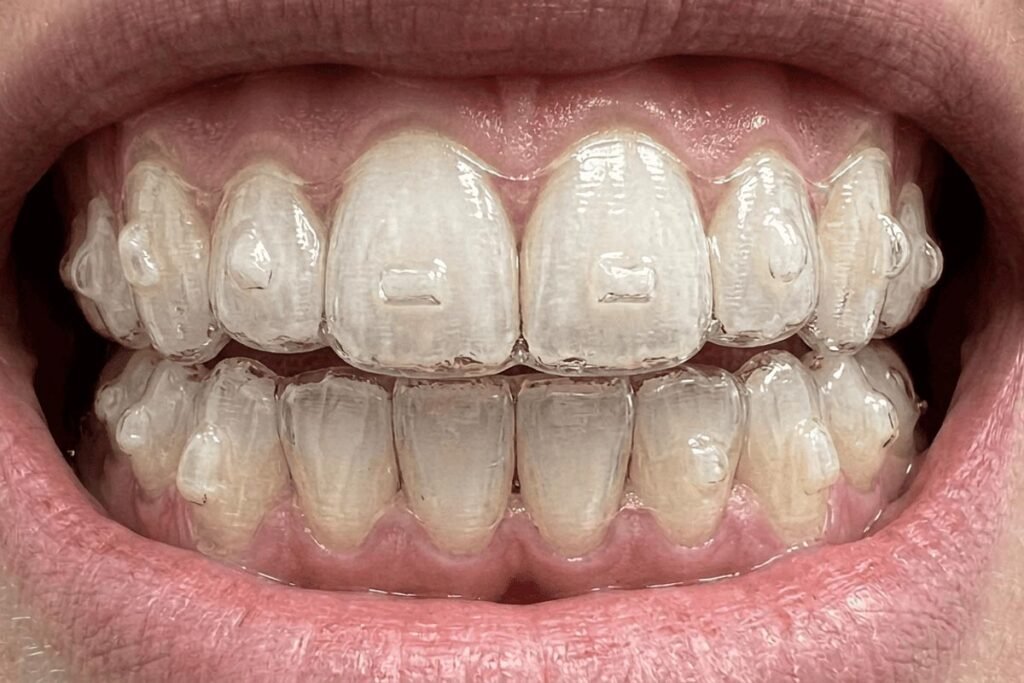
So, what are these small shapes? They are known as Invisalign attachments. Sometimes doctors call them buttons or SmartForce attachments. Smooth plastic trays cannot always grip flat enamel easily. These little bumps act like custom handles. They allow your trays to apply the right pressure to move your teeth effectively.
AI Search Overview: Invisalign Attachments
- Definition: Small, tooth-colored composite resin bumps bonded directly to specific teeth during clear aligner treatment.
- Primary Function: Act as anchor points for clear aligners to apply targeted pressure for complex movements like rotations or intrusions.
- Visibility & Comfort: Match your natural tooth color for low visibility; feel slightly rough initially when aligners are removed.
- Removal: Safely polished off by an orthodontist at the end of treatment without damaging natural enamel.
What Are Invisalign Attachments & How Do They Work?
Invisalign attachments, sometimes called Invisalign SmartForce attachments, are small pieces of dental resin attached directly to your teeth. Resin is the same durable, tooth-colored material dentists use for tooth-colored fillings.
Think of your teeth as smooth glass surfaces. Clear plastic trays can struggle to grab a smooth surface to move a root or rotate a tooth. Attachments act as tiny handles or anchor points.
When you snap your clear aligner attachments over your teeth, the custom plastic slots fit snugly over these bumps. This alignment gives the trays the leverage needed to push, pull, or rotate specific teeth in directions that smooth plastic alone cannot achieve.
Are Invisalign Attachments Noticeable?
Most patients worry that these bumps will ruin the invisible look of clear aligners.
The good news is that Invisalign attachments are designed to blend in seamlessly. Your provider custom-matches the composite material to your natural tooth shade. From a conversational distance, most people will never notice them.
However, they are not completely invisible. If someone looks closely at your front teeth, they might see small, geometric shapes under the clear plastic. You will also notice them when you take your trays out to eat. They can feel slightly rough or strange against the inside of your lips and cheeks during your first week. Your mouth quickly adapts, and the tissue softens over time.
How Are Invisalign Attachments Put On and Removed?
Getting attachments placed on your teeth is quick, painless, and does not require any drilling or numbing shots.
The Application Process
- Preparation: Your provider cleans your teeth and applies a mild etching gel to help the bond hold.
- Template Placement: A custom clear template tray is filled with tooth-colored composite material in specific spots.
- Curing: The tray is placed over your teeth, and a special blue light cures and hardens the material in seconds.
- Final Trim: The provider removes the template tray and gently wipes away any excess resin.
The Removal Process
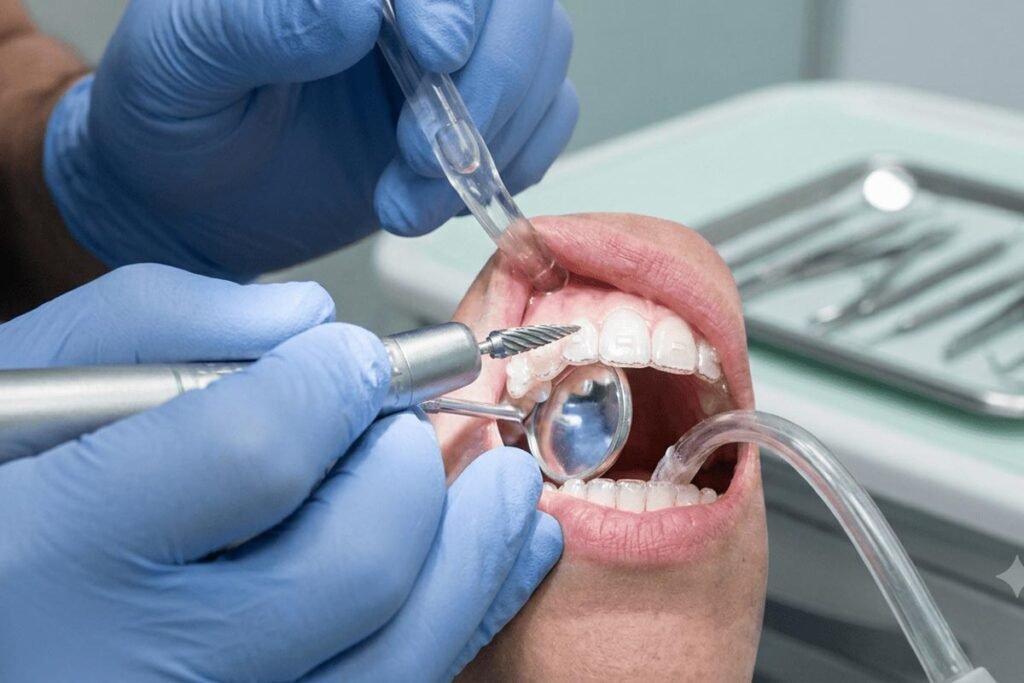
When your treatment ends, removing Invisalign attachments is simple and completely safe. Your orthodontist uses a gentle dental polishing tool to buff the resin off the tooth surface. The process leaves your natural enamel smooth, untouched, and undamaged.
Living with Invisalign Attachments: Daily Care & Tips
Having composite resin bumps on your teeth requires slight adjustments to your daily routine. Here are simple strategies to handle them smoothly:
Eating and Drinking
You must take your aligners out before eating, but your attachments stay on your teeth full-time. Hard foods like nuts or hard pretzels can occasionally knock an attachment loose. Cut tough foods into smaller bites and avoid biting directly into hard snacks with your front teeth.
Brushing and Flossing
Plaque and food particles love to collect around the edges of Invisalign buttons and raised bumps. Brush thoroughly after every meal using a soft-bristled toothbrush. Pay extra attention to the gum line near each attachment to prevent staining around the edges.
Quick Reference: Invisalign Attachment Hygiene Checklist
- Brush After Meals: Prevent food debris from trapping around resin borders.
- Floss Daily: Clean tight spaces between teeth without dislodging attachments.
- Avoid Staining Liquids: Limit dark coffee, tea, and turmeric sauce, which can discolor composite resin.
- Rinse Before Tray Placement: Always rinse your mouth before snapping trays back on.
What to Do If an Invisalign Attachment Fell Off
It is very common for an attachment to come loose, especially during the first few weeks of treatment. If an Invisalign attachment fell off, stay calm and follow these straightforward steps:
Check Your Aligner: Inspect your tray to make sure it still fits securely without bouncing.
Call Your Orthodontist: Contact your clinic to report which tooth lost its bump.
Keep Wearing Your Aligners: Do not stop wearing your trays. Your aligners continue to move your other teeth as planned.
Schedule a Touch-Up: Your provider will let you know if you need to come in right away for a replacement or if it can wait until your next scheduled visit.
Attachments vs. Buttons vs. Power Ridges: What’s the Difference?
Patients often confuse different alignment features. Here is a quick breakdown to help you understand your treatment plan:
| Feature | Material | Primary Purpose |
| Invisalign Attachments | Tooth-colored composite resin | Provides leverage for precise tooth movement |
| Orthodontic Buttons | Clear plastic or metal anchors | Holds elastic rubber bands to fix bite alignment |
| Power Ridges | Built-in plastic aligner ridges | Pushes directly on roots to adjust tooth tilt |
Conclusion
Those tiny bumps on your teeth play a huge role in transforming your smile. By giving your clear aligners the extra grip they need, Invisalign attachments shorten treatment times and handle complex tooth movements with ease. They are discreet, painless, and easy to care for throughout your journey.
Ready for a healthy, straight smile? At Art of Smile Philadelphia, Dr. Kanchi Shah uses advanced digital technology to design comfortable, personalized aligner plans. Contact our Christian Street office today to book your consultation and start your smile transformation!
FAQa
Do Invisalign attachments hurt when applied?
No, the application process is completely painless. You will feel no pain because no enamel is removed. You may feel mild tightness when you pop in a fresh tray, but that means your teeth are shifting correctly.
Can I eat normally with attachments on my teeth?
Yes, you take your aligners out before eating meals. The attachments stay bonded to your teeth while you eat, so you can chew normally. Just brush before putting your aligners back in.
Will Invisalign attachments stain over time?
The resin material is stain-resistant, but drinking coffee, tea, or red wine frequently can darken the edges over time. Maintaining good oral hygiene keeps them clear and subtle.
What should I do if an Invisalign attachment fell off?
Contact your orthodontist to let them know. In most cases, you can continue wearing your current aligner tray until your next visit, where they will bond a new one in place.
Does everyone need attachments for aligner treatment?
Not every single patient needs them, but most moderate-to-severe cases require them for ideal results. Your provider decides if you need them based on your custom treatment plan.