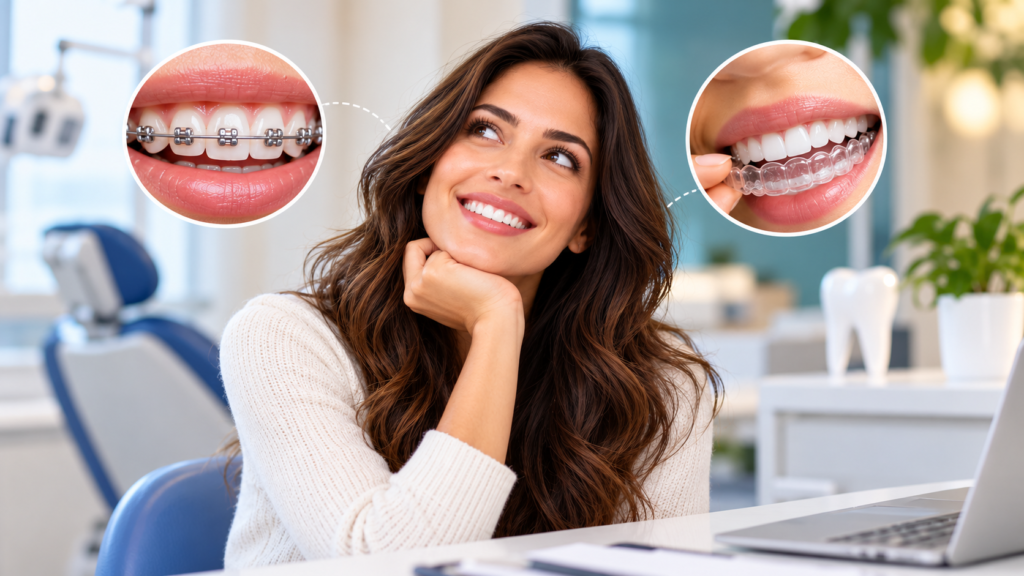
If you’re considering braces or Invisalign as an adult, understanding adult orthodontic insurance before starting treatment can help you plan your expenses. Some dental insurance plans include orthodontic benefits for adults, while others cover orthodontic treatment only for children or exclude it altogether.
Adult orthodontic insurance may help pay for part of traditional braces or Invisalign treatment, depending on your policy. Your coverage can depend on your plan’s age restrictions, orthodontic lifetime maximum, waiting periods, and other limitations.
At Art of Smile Philadelphia, patients exploring adult braces and Invisalign can discuss their orthodontic treatment options and understand the factors that may influence their overall costs. Whether you’re considering traditional braces or clear aligners, reviewing your dental insurance benefits before starting treatment can help you plan your investment in a healthier, more confident smile.
What Is Adult Orthodontic Insurance?
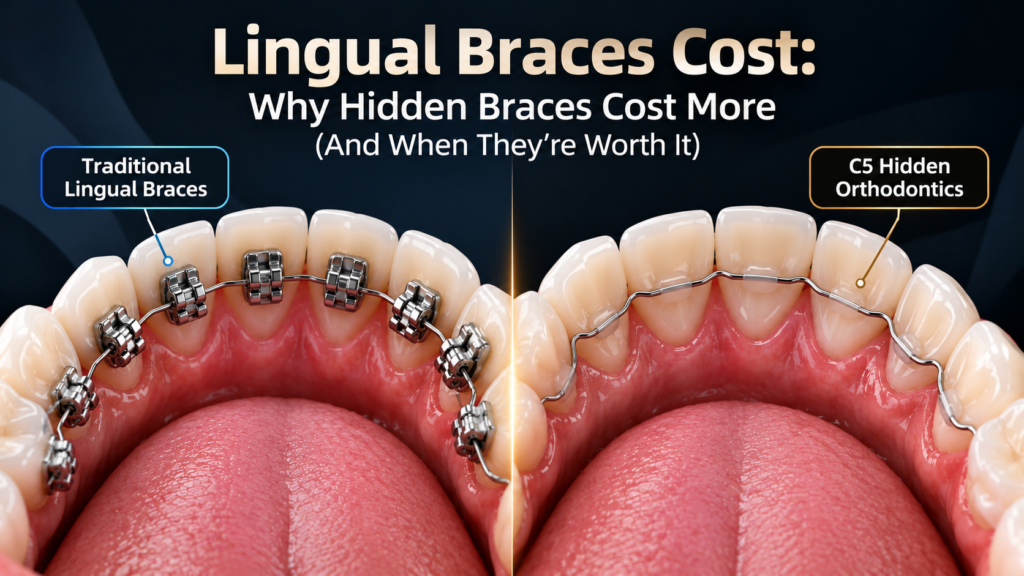
Adult orthodontic insurance refers to dental insurance benefits that help cover eligible orthodontic treatment for adults. Depending on your policy, these benefits may apply to traditional metal braces, ceramic braces, lingual braces, or clear aligners such as Invisalign.
However, not every dental insurance plan includes orthodontic coverage. Some policies exclude adult treatment, while others offer partial coverage subject to specific conditions.
Before choosing an orthodontic treatment, check your policy documents or contact your insurance provider to confirm whether your plan covers adult orthodontics and which treatments qualify.
If you’re researching orthodontic treatment in Philadelphia, understanding these benefits can help you prepare for a consultation and compare suitable treatment options at Art of Smile Philadelphia.
Does Adult Orthodontic Insurance Cover Invisalign?
Invisalign insurance coverage is possible, but it depends on your specific dental plan. Some insurance providers treat Invisalign similarly to traditional braces when the policy includes eligible orthodontic benefits. Others may impose restrictions on clear aligners or offer different reimbursement amounts.
If you’re considering Invisalign in Philadelphia, reviewing your insurance coverage before beginning treatment can help you understand your potential expenses.
Before starting Invisalign, check the following:
- Orthodontic eligibility: Does your plan cover orthodontic treatment for adults?
- Treatment eligibility: Are Invisalign clear aligners included in your benefits?
- Coverage percentage: What portion of the eligible treatment cost will the plan pay?
- Lifetime maximum: What is the maximum orthodontic benefit available?
- Waiting periods: Must you wait before orthodontic benefits become available?
- In-network requirements: Must you visit a participating provider to receive the highest available benefits?
Remember that a percentage listed in your policy does not necessarily mean your insurer will pay that percentage of the entire Invisalign bill. Coverage limits, exclusions, and remaining benefit amounts can affect the final payment.
At Art of Smile Philadelphia, patients considering clear aligners can discuss their treatment goals and explore the financial considerations associated with Invisalign and other adult orthodontic options.
What Benefits Should You Check Before Starting Treatment?
Understanding your adult orthodontic insurance benefits before committing to treatment can help prevent unexpected expenses.
1. Adult Age Restrictions
Age restrictions can determine your eligibility for adult orthodontic insurance. Some dental insurance plans cover orthodontic treatment only for dependent children, while others include adults. Confirm that your policy specifically provides orthodontic benefits for adult patients.
2. Orthodontic Lifetime Maximum
Many plans have a separate orthodontic lifetime maximum. For example, a plan might provide up to $2,000 toward eligible orthodontic treatment over your lifetime. This is an illustrative amount, not a standard benefit.
If your treatment costs exceed your available benefit, you will generally be responsible for the remaining eligible expenses and any noncovered charges.
3. Coverage Percentage and Deductibles
Your plan may cover a specified percentage of eligible orthodontic expenses. However, deductibles, coinsurance, exclusions, and plan limits can influence how much you actually receive.
Ask your insurer for a written estimate of your adult orthodontic insurance benefits before treatment begins.
4. Waiting Periods and Preauthorization
Some policies require a waiting period before orthodontic benefits become available. Others may require predetermination or preauthorization before treatment.
Ask whether treatment must begin after your coverage becomes effective and how the insurer handles payments when treatment continues across multiple benefit years.
5. In-Network and Out-of-Network Benefits
Your out-of-pocket expenses may vary depending on whether your orthodontic provider participates in your insurance network. Check your plan’s provider requirements, reimbursement rules, and any restrictions on eligible treatment.
When searching for an orthodontist in Philadelphia, it is also helpful to ask about insurance documentation and payment arrangements before committing to treatment.
Can an FSA or HSA Help Pay for Braces or Invisalign?
A Flexible Spending Account (FSA) or Health Savings Account (HSA) may help you manage eligible orthodontic expenses using tax-advantaged funds.
An FSA may allow you to use contributions from your paycheck for qualified medical and dental expenses, including eligible orthodontic treatment. An HSA may also be used for qualified orthodontic expenses if you meet the applicable eligibility requirements.
These accounts are separate from dental insurance. They may help cover eligible costs that insurance does not pay, subject to IRS rules for HSAs and health FSAs and your plan’s requirements. You cannot use these accounts to reimburse the same expense already paid by insurance.
Keep two important dates in mind:
November: Benefits Enrollment
If your employer offers November open enrollment, review your available dental coverage and FSA or HSA options before selecting benefits for the upcoming plan year. Enrollment dates vary by employer and plan.
December: FSA Fund Considerations
FSA funds may expire at the end of the plan year if your employer’s plan does not allow an applicable grace period or carryover. HSA funds generally roll over from year to year, so the rules are different.
Before contributing to an FSA, confirm your employer’s deadline, eligible expenses, and any carryover or grace-period provisions. If you are planning orthodontic treatment, estimate your costs carefully before choosing your contribution amount.
How to Compare Your Orthodontic Treatment Costs
Insurance coverage is only one part of the financial decision. Whether you’re comparing adult braces or Invisalign in Philadelphia, consider the following factors before selecting a treatment option.
| Cost Factor | What to Check |
|---|---|
| Total treatment cost | Request a personalized estimate from your orthodontic provider. |
| Insurance benefits | Confirm the remaining orthodontic benefit and eligible treatments. |
| Out-of-pocket expenses | Calculate costs not covered by insurance. |
| FSA or HSA funds | Check whether you can use available funds for eligible expenses. |
| Payment options | Ask about payment plans and installment arrangements. |
| Follow-up care | Confirm whether retainers, adjustments, and other services are included. |
Comparing these details can help you understand the overall cost rather than focusing only on the advertised price of braces or Invisalign.
For patients exploring orthodontic treatment at Art of Smile Philadelphia, discussing these financial considerations during a consultation can help clarify the available options and expected expenses. Review our orthodontic financing and payment information before your visit.
Explore Adult Braces and Invisalign at Art of Smile Philadelphia
If you’re considering adult orthodontic treatment, Art of Smile Philadelphia can help you explore teeth-straightening options based on your dental needs and smile goals.
Whether you’re researching adult braces in Philadelphia or considering Invisalign, understanding your dental insurance benefits can help you make informed decisions about treatment costs.
Before beginning treatment, review your adult orthodontic insurance benefits, confirm Invisalign eligibility if you’re considering clear aligners, and check whether FSA or HSA funds can help cover qualified expenses.
Contact Art of Smile Philadelphia to schedule a consultation, discuss your orthodontic goals, and learn more about available braces and Invisalign treatment options.
Frequently Asked Questions (FAQs)
Does dental insurance cover braces for adults?
Some dental insurance plans cover adult braces, while others limit orthodontic benefits to children or exclude orthodontic treatment. Check your policy for adult eligibility, coverage limits, and exclusions.
Does insurance cover Invisalign the same way as braces?
Some plans cover Invisalign under the same orthodontic benefits as traditional braces. However, coverage depends on your policy, treatment eligibility, and remaining benefits.
What is an orthodontic lifetime maximum?
It is the maximum amount an insurance plan will pay toward eligible orthodontic treatment over a specified lifetime. It is often separate from the plan’s annual dental maximum.
Can I use my FSA or HSA for Invisalign?
Eligible Invisalign expenses may qualify for FSA or HSA reimbursement under applicable IRS rules. Confirm eligibility with your benefits administrator and retain the required documentation.
When should I review my orthodontic insurance benefits?
Review your benefits before beginning treatment and during open enrollment. If enrollment opens in November, use that opportunity to compare available plans and estimate your anticipated expenses.
Do FSA funds expire in December?
FSA funds may be subject to a use-it-or-lose-it rule at the end of the plan year, although some employer plans permit a limited carryover or grace period. Check your specific plan before the deadline.
Where can I explore adult braces or Invisalign in Philadelphia?
If you’re considering adult braces or Invisalign in Philadelphia, Art of Smile Philadelphia is a place to discuss your orthodontic treatment options. Contact the office to learn more about available treatments and consultation options.